Tuesday, 6 June 2017

حساب

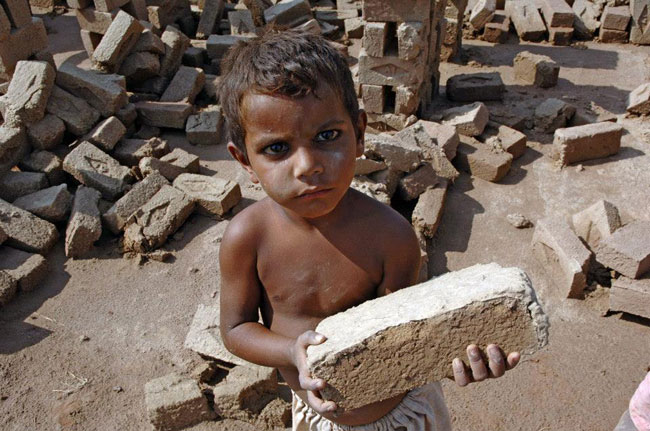
آگ برساتا سورج، دہکتی مٹی اور اس کا پسینے سے شرابور جسم۔ اسی اینٹوں کے بھٹے پہ اس نے ہوش سنبھالا تھا

اور یہی اس کی کُل کا ئنات تھی۔ اس کے پُرکھوں نے جو قرض لیا تھا، اس کی زندگی اسی سود کی ادائیگی تھی۔ لیکن بھلا ہو چوہدری صاحب کا، بیگار نہیں لیتے تھے، کام کے بدلے اکثر سو دو سو مل جاتا تھا۔ لیکن ٹھیکیدار کے تیور دیکھ کر اسے اندازہ ہو گیا تھا کہ آج اجرت نہیں ملے گی۔ ابا ساری رات درد سے کراہتا رہا تھا۔ ابا کے درد سے زیادہ افسوس اسے اپنی نیند کے خراب ہونے کا تھا۔ شائد اگر ابا کا بتاؤں تو کچھ پیسے دے دے۔ دل کا برا نہیں تھا ٹھیکدار، بہت دیندار آدمی تھا۔ لیکن کیا کرے اس گرمی کے روزے میں اس کا چرچڑا ہونا فطرتاً جائز تھا۔

ابا نے بڑے ارمان سے اس کا نام مبشر رکھا تھا۔ وہ کہتا تھا یہ ہمارے لیے خوشخبری لائے گا۔ سوچا تو اس نے یہی تھا کہ اس کے پاؤں کو گیلی مٹی سے دور رکھے گا۔ لیکن اس کی ایسی قسمت کہاں تھی۔ ابا بیمار ہوا تو اس کا مسکن بھی یہی اینٹوں کا بھٹا ٹھہرا۔ پھر چوہدری صاحب نے ابا کے علاج کے لیے بیس ہزار بھی تو دیا تھا۔ بہت نیک آدمی ہیں چوہدری صاحب۔ نمازی، پرہیزگار۔ ہر سال عمرہ کرتے ہیں۔ لیکن مبشر کا خدا سے تعلق بڑا واجبی سا تھا۔ کلمہ اسے آتا تھا اور محرم کے جلوس میں بھی سب آگے وہی ہوتا تھا۔ ہر سال پیر سائیں کے مزار پر چادر بھی چڑھاتا تھا وہ۔ لیکن اس کا ابا اکثر کہتا تھا ہمارا کیا حساب ہو گا، حساب تو اس کا ہو جس کے پاس کچھ ہے۔ کبھی کبھی اسے لگتا تھا ابا کافر ہو گیا ہے۔

معاشرے کے جس طبقے سے اس کا تعلق تھا، وہاں خدا کا فقط ایک مصرف تھا، کہ اس کے نام پر روٹی مانگی جاتی۔ لیکن اب گاؤں میں نئے مولوی صاحب آئیں ہیں۔ کہتے ہیں حساب سب کا ہو گا، امیر ہو یا غریب۔ محشر کا ایسا ہیبت ناک نقشہ کھینچا انھوں نے کہ اسکے رونگھٹے کھڑے ہوگئے۔ وہ تو خدا کو کافی دحم دل سمجھتا تھا۔ لیکن محشر میں اس اینٹوں کے بھٹے سے بھی کہیں زیادہ تیز آگ کا سوچ کر اس کا دماغ ماؤف ہو رہا تھا۔


سورج ڈھلنے لگا تھا۔ اس نے سوچا کوشش کرنے میں کیا حرج ہے۔ آخر اس کا باپ بھی اسی ٹھیکدار کا مزدور رہا تھا۔ ابا کی حالت کا سن کر ٹھیکیدار کو ترس آ ہی گیا۔ سو سو کے تین بوسیدہ نوٹ اب اسکی مٹھی میں بند تھے۔ تیز تیز قدم اٹھانے کے باعث اس کا سانس پھول رہا تھا۔ عجیب اضطرابی کیفیت کا شکار تھا وہ۔۔۔ایک نیا مخمصہ۔۔۔ساری رات ابا کی کراہتیں اس کی نیند خراب کرتی تھیں، لیکن مولوی صاحب کی آگ زیادہ خوفناک تھی۔۔۔۔یہی سوچ کر اس کے قدم حکیم صاحب کے گھر کی بجائے پیر سائیں کے مزار کی طرف اٹھنے لگے۔ 

Thursday, 1 June 2017

A nation in shambles

"Cool breeze, snow on the street and a cloudy sky. It had been a good day for Raheem. He had bagged a huge promotion and was rushing towards home where his wife awaited him. Overfilled with joy, he was walking without any overcoat unbothered by the freezing wind." // 

The same Kabul was hit by a terrorist attack a couple of days back, killing hundreds of innocent men, women, and children. What's more horrifying is that it's not even unusual anymore, it has become 'normal'.

In Pakistan, we are led to believe that Afghanistan has always been an uptight tribal society which is not entirely true. So what exactly turned a city like Kabul into an epicenter of extremism? Boiling it down, fearing a Soviet invasion of Afghanistan, the establishment set up hundreds of extremist religious schools in Pakistan, preparing an entire generation to fight for someone else's interests in the name of religion. Ziaulhaq, the Pakistani dictator at the time, was more than happy to help since it was the only way to prolong his illegitimate rule which would have faced international sanctions otherwise. 


This resulted in the rise of several sectarian and extremist outfits in Pakistan. Since the state was using that extremist narrative to fight the Soviet Union in Afghanistan, these organizations were patronized by our government. But it also affected the everyday life of Pakistanis. An entire generation grew up believing they had a right to interfere in someone else's beliefs, a concept that was largely unknown in Pakistani society. Even though these organizations were present well before Zia's takeover, they had never gotten adequate public attention. This sudden urge to have moral validation from the people around was pristine. 

With this historical background, it's clear that Pakistanis born in or after the 80s have encountered this polarized society. They grew up when extremism was being encouraged by the state. Now even if the government tries to undo the mistakes, it will face sheer resistance from within the government and military institutions. Our military intelligence agencies are also part of the same society. Any effort to normalize this radicalized society will face resistance from inside such agencies.